

Best vegan sports drinks for pure hydration
After a tough training session you want a drink that helps your body recover, not a sticky sugar bomb with an unclear ingredient list. The best vegan sports drinks match what your effort actually requires: fluid, electrolytes and — when needed — energy. Whether you’re heading to the gym, planning a long run, or getting on your bike: choosing pure makes a difference.
What makes a sports drink vegan and good?
A vegan sports drink contains no ingredients of animal origin. That sounds simple, but with sports drinks it pays to look beyond just a vegan logo. Some variants contain colourings, flavourings or sweeteners that add little to your hydration. Other products are plant-based but deliver so much sugar that they mostly feel like soda.
A good choice therefore starts with the function of your drink. During a light forty-five-minute strength session, water is often enough. Do you sweat a lot, train in heat, or exercise for longer than about an hour? Then sodium, potassium and other electrolytes become more relevant. They help support the fluid balance in your body.
Also look at the ingredient list. The shorter and more recognisable, the easier it is to know what you’re drinking. For a natural routine, unsweetened drinks without preservatives are a strong base. Have a heavy endurance effort ahead? Then a drink with carbohydrates can actually be functional. So it doesn’t just depend on what’s vegan, but also on how and how long you move.
Best vegan sports drinks per sporting moment
There’s no drink that’s always the best choice. Your body, the temperature and your training duration determine what fits. These four categories make choosing a lot easier.
1. Pure coconut water for light to moderate training
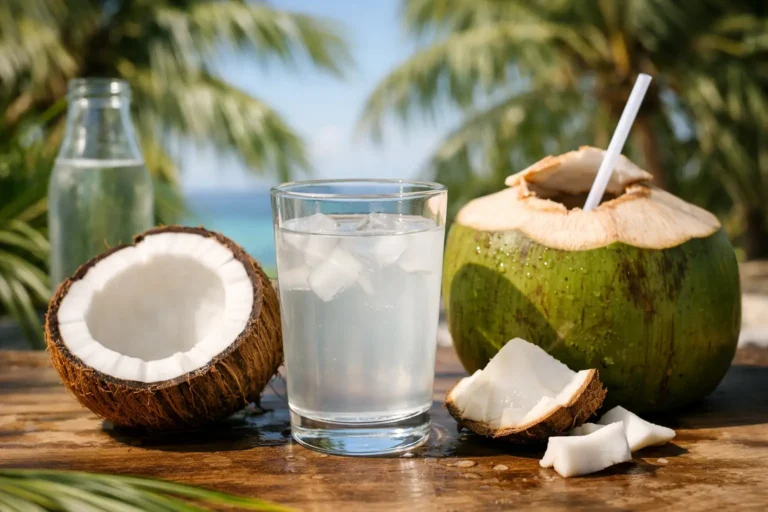
100% coconut water is naturally vegan and contains electrolytes, including potassium. The fresh, lightly sweet taste comes straight from the coconut, so you don’t need added sugars for a pleasant drink. That makes coconut water a nice choice after yoga, fitness, walking, padel or a short run.
Coconut water especially fits athletes who find regular sports drinks too sweet and are looking for a natural replacement. Preferably choose pure, unsweetened coconut water without concentrate or unnecessary additives. Cocoxim coconut water, for instance, is 100% natural, vegan and pure — a tropical refreshment for after your workout or on the go.
There is an important difference from a classic isotonic sports drink, though: coconut water naturally contains relatively high potassium, but generally less sodium. During a long training session with heavy sweat loss, coconut water alone may therefore be less suitable. In that case, also drink water, eat something salty, or consciously choose a sports drink with extra sodium.
2. Vegan electrolyte drink for hot weather and heavy sweating
Training outdoors in summer, doing an intense spin class, or visibly losing a lot of salt through sweat? Then a vegan electrolyte drink with sodium is often the more targeted option. Sodium helps your body retain fluid better. Especially with efforts longer than sixty to ninety minutes, that can mean noticeably more pleasant drinking and recovery.
Pay attention to balance. An electrolyte drink doesn’t need to be bright blue or exaggeratedly sweet to be effective. Choose a variant with clear mineral amounts and a taste you still find pleasant during exertion. If a drink is too sweet, you often drink less of it than you need.
3. Isotonic vegan sports drink for long endurance training
For long bike rides, half marathons, team sport tournaments or intense hikes, your body needs not just fluid. Carbohydrates can also help replenish energy. An isotonic drink generally combines fluid, electrolytes and carbohydrates in a ratio designed for fast absorption.
This isn’t automatically the best everyday sports drink. For a training session of an hour or less, such an energy-rich option can deliver more sugar than you actually use. But during a long or heavy effort, that energy is genuinely functional. Always check the label for vegan suitability though, especially if it contains vitamins, flavourings or other functional additives.
4. Water with a plant-based recovery meal after strength training
After a strength session, recovery isn’t solely about your drink. Enough fluid is essential, but your overall meal counts at least as much. Water or pure coconut water can fit perfectly after your training, followed by a plant-based meal with protein and carbohydrates. Think soy yoghurt with oats and fruit, or a meal with legumes, rice and vegetables.
That way you avoid expecting one drink to be a miracle cure. The best routine is usually surprisingly simple: hydrate before and during exercise, replenish fluid afterwards, and then eat something nourishing and complete.
How to spot truly pure vegan sports drinks
The packaging tells you a lot, provided you know what to look for. First look for a clear vegan label or check the ingredients. Whey, milk components, honey and some animal-derived colourings don’t fit a vegan choice. When in doubt, a brand’s transparency matters more than big marketing claims.
Next, look at added sugars. Natural sugars from coconut water or fruit juice are different from a long list of syrups, but even natural sugars deliver energy. For recovery after a light training session, you usually don’t need much of that. For a long endurance performance, it can actually be an advantage.
The amount of sodium also deserves attention. Anyone exercising briefly and sweating little doesn’t need to consciously drink extra salt. Anyone sweating for a long time can benefit from higher sodium intake. White salt streaks on your sportswear or a very salty sweat taste can be signs you’re losing relatively a lot of salt, though this varies greatly per person.
Finally, taste counts. The most well-thought-out sports drink only works if you actually drink it. A soft, fresh taste without an artificial aftertaste makes it easier to turn hydration into a fixed habit.
When do you drink what?
Before your training, water is usually the calm, reliable base. Had an active day already, or starting out a bit thirsty? A glass of coconut water can be a refreshing addition. Avoid drinking large amounts at once right before intense exercise — that often feels uncomfortable in your stomach.
During a training session of up to about an hour, water is sufficient for most people. In heat, during long exertion, or with heavy sweating, you can switch to a vegan electrolyte drink. Take small sips spread throughout your training instead of waiting until you’re dehydrated.
After exercise is the ideal moment for a chilled coconut water or an electrolyte drink, depending on how hard you trained. Mostly moved lightly? Then choose pure and simple. Cycled, run or played football for hours? Combine your drink with a meal or snack that also replenishes energy and protein.
Common mistakes with vegan sports drinks
The first mistake is thinking every vegan drink is automatically healthy or suitable for sport. A vegan energy drink or fruit drink can be plant-based but sometimes contains a lot of sugar, caffeine or acids without a useful electrolyte balance.
A second mistake is treating coconut water as a complete solution for every performance. Pure coconut water is a wonderful natural choice for daily hydration and recovery after lighter training sessions. In extreme heat, a marathon, or a long ride, your body may need more sodium and carbohydrates.
Third, many athletes wait until they’re extremely thirsty. Thirst is a useful signal, but a fixed drinking routine often works better. Bring a bottle, have a chilled package ready after your training, and make hydration just as natural as your warm-up.
So don’t choose the loudest claim on the shelf, but what your body needs at that moment. Sometimes that’s water, sometimes a vegan electrolyte drink, and sometimes a glass of pure coconut water: refreshment from nature that fits your training just as well as the rest of your active day.