


Best drink after a workout? What actually works
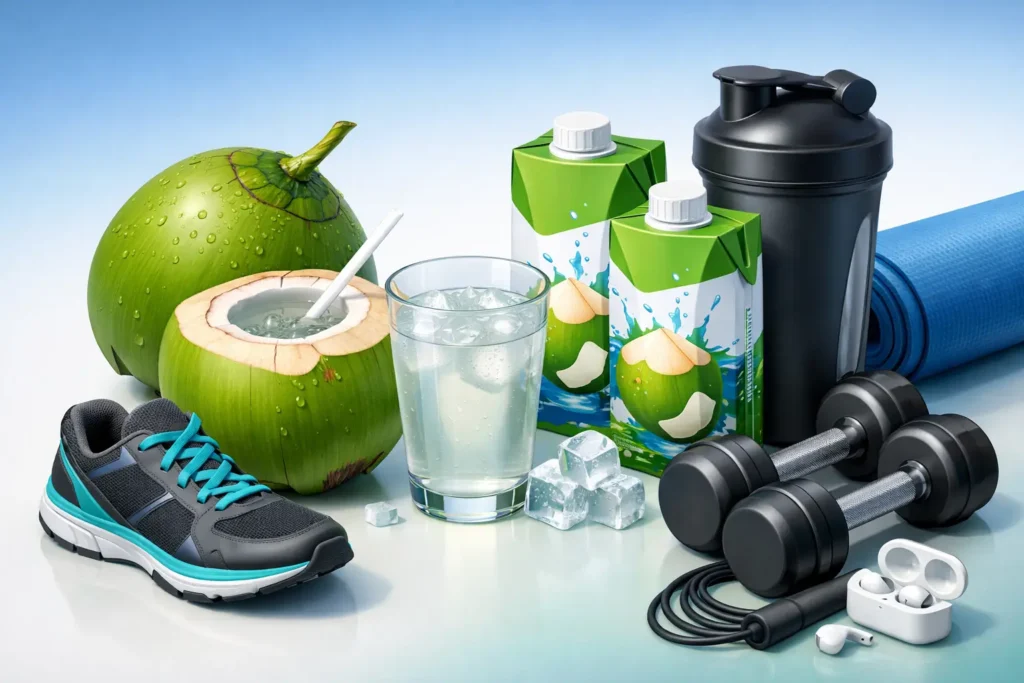
Your workout is done, your shirt is sticking to you, and you have that familiar moment where your body immediately asks for something. That’s when the question comes up naturally: what’s the best drink after a workout? Not what’s promoted the loudest, but what actually helps you replenish fluids, feel fresher and recover well.
The honest answer is less spectacular than a lot of sports marketing would have you believe. After a workout, your body mostly needs fluids and electrolytes. Sometimes carbohydrates too, and in certain cases protein. Which drink fits best depends on how intensely you trained, how long you were at it, and how much you sweated.
What your body needs after exercise
During exercise you lose fluid through sweat. That means losing not just water, but also electrolytes such as potassium and sodium. You notice this quickly after an intense session, a long endurance workout, or exercising in warm weather. You might feel sluggish, get a headache, or feel like you just aren’t quite bouncing back.
That’s why the best drink after a workout isn’t just about quenching thirst. It’s about supporting recovery. For a light 45-minute strength session that’s different than for a long run, a spinning class or a football match. If you’ve trained lightly and then eat a full meal afterwards, a hydrating drink is often enough. If you’ve trained hard or long, you may benefit from extra carbohydrates and sometimes protein.
Best drink after a workout: the real options
There isn’t one magic drink that always wins. But there are clear differences between the best-known choices.
Water is good, but not always enough
Water remains the basics. It’s simple, effective, and often perfectly fine for a short or moderate workout. If you haven’t sweated extremely and you’ll eat again soon, water usually gets you most of the way there.
Still, that’s where its limitation lies too. Water doesn’t replenish electrolytes. After sweating heavily, that can be exactly the difference between just drinking and truly recovering. You feel back in balance faster with a drink that delivers natural minerals alongside fluids.
Sports drinks work, but often come with a downside
Classic sports drinks are designed to deliver fluids, sugars and electrolytes. That can be useful during prolonged effort, for example if you train intensively for more than an hour. Then fast carbohydrates can help replenish energy.
But for the average gym session, that kind of drink is often more than you need. Many varieties contain a fair amount of sugar, artificial flavourings or colourings. If you want to choose more consciously, that quickly feels like a step backwards. It can be functional, but it’s rarely pure.
Protein shakes have a place, but not for everyone
Anyone building muscle often reaches straight for a protein shake. That makes sense, since protein supports muscle recovery. But the shake is often seen as the default, when that isn’t always necessary.
If you’ve already had enough protein that day, or you’ll eat again shortly, a shake isn’t strictly necessary. On top of that, a protein shake hydrates less pleasantly than a light, refreshing drink. For many people, a heavy drink right after exercise simply feels less enjoyable.
Coconut water is a strong choice for natural hydration
If you’re looking for a pure, light and functional option, coconut water stands out. It naturally contains electrolytes, including potassium, making it a logical choice after exercise. Especially if you want something that does more than water, but without the excess found in many sports drinks.
The taste is fresh, the composition is simple, and you get hydration without unnecessary additives. That makes it a very pleasant post-workout drink for many athletes. Not heavy, not artificial, but effective.
Why coconut water works so well for many athletes
Coconut water suits the needs of a body that has lost something and wants to replenish it naturally. After exercise you often don’t want a sticky drink or something that feels like soda in sports packaging. You want refreshment that’s functional.
That’s exactly its strength. Pure coconut water naturally contains electrolytes and has a light, approachable taste. That makes it easy to drink after a workout. That sounds simple, but it matters. A drink that feels good is one you drink faster and more consistently.
For athletes who live more consciously, something else matters too: the ingredient list. The shorter and cleaner, the better. 100% natural coconut water without added sugars or preservatives fits that perfectly. It suits a routine where you pay attention not only to performance, but also to what you put into your body every day.
When coconut water is the best drink after a workout
Coconut water is especially strong after short to moderate workouts, in warm weather, and at moments when you’ve sweated a lot but don’t need a heavy recovery drink. Think of a gym session, yoga in a heated studio, a padel match or a run after work.
It’s also a smart swap if you want to replace soda or sugary sports drinks. You still get the refreshment and convenience of a ready-to-drink option, but without the usual baggage.
That doesn’t mean it’s enough in every situation. After a long endurance session or a tough match, it can be smart to eat something alongside your drink for extra carbohydrates and possibly protein. Coconut water isn’t a complete recovery meal then, but it is an excellent hydration base.
What to look out for when choosing
Not every product that looks like coconut water is truly pure coconut water. Some varieties are supplemented with juice, flavourings or sugar. That undermines the benefit of a clean, natural choice.
So check the composition. Ideally, the carton or bottle simply says 100% coconut water. No added sugars, no preservatives, no complicated list. Pure really is better here.
Packaging matters too. A smaller size is handy for on the go or right after your workout. A larger pack works well at home, so you always have something cold ready after exercising. That convenience makes it easier to turn into a lasting habit.
And what about recovery and performance?
Hydration is often underestimated, even though it directly affects how you feel later in the day. Anyone who drinks too little after exercise often only notices hours later. Fatigue, a dull feeling or unnecessary cravings can all be linked to poor recovery of fluids and minerals.
So the best drink after a workout doesn’t just help in the moment. It also supports how quickly you feel sharp, energetic and balanced again. For many people, that’s exactly why a natural drink works better than an extremely sweet or heavy option. You want to recover without hassle.
That’s why premium coconut water fits so well into a modern, active lifestyle. It’s pure, practical and functional at the same time. Brands like Freshcoco tap into this cleverly with 100% natural coconut water that fits sport, work, travel and home. No overcomplication, just pure hydration.
So what’s the best choice for most people?
If you look purely at daily use after an average workout, coconut water is one of the best choices for many people. Water is fine as a base, but offers less support after heavy sweating. Sports drinks can be useful, but are often unnecessarily sweet. Protein shakes have their place, but not as the default for everyone.
Coconut water sits nicely in between. Light, natural, refreshing, and with electrolytes that support recovery after exercise. Especially if you value pure ingredients and don’t want artificial additives, it’s a logical winner.
The best drink after a workout is ultimately the one that fits your effort and your routine. If you train briefly and mainly want to hydrate, pure coconut water is a strong choice. If you train long or very intensely, combine it smartly with food that also replenishes energy and building blocks.
So don’t just listen to packaging that promises everything, but to what your body actually needs. Often that’s surprisingly simple: fluids, electrolytes, and a pure choice that feels good.